The Aroma Preservation Revolution: Rethinking the Integrated Grinding Ecosystem
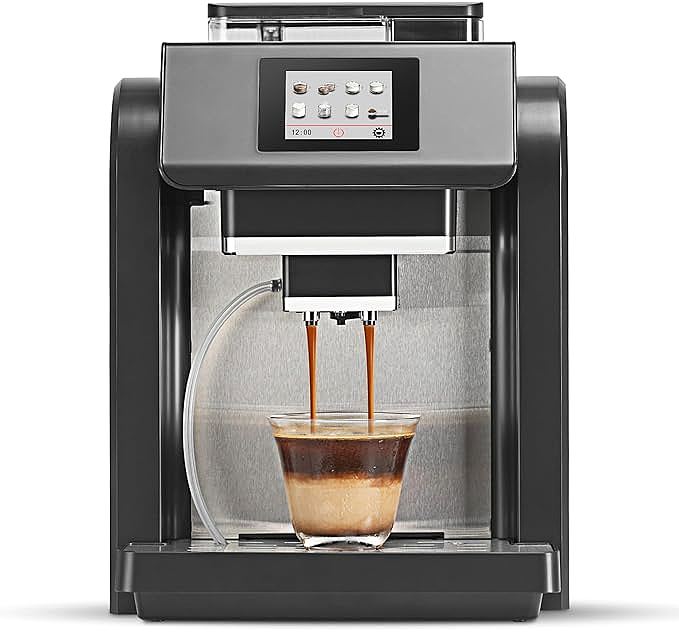
Mcilpoog ES317 Fully Automatic Espresso coffee Machine
In the sensory world of specialty coffee, time is the greatest adversary of flavor. From the moment a coffee bean is roasted, a countdown begins. The delicate volatile aromatic compounds—those responsible for the intricate notes of jasmine, chocolate, or citrus—start to dissipate. This process of degradation accelerates exponentially once the bean is ground, as the increased surface area exposes the volatile oils to the ravages of oxygen. In historical brewing practices, this led to the necessity of separate, high-end grinders and immediate manual dosing. However, the rise of integrated grinding ecosystems, typified by the Mcilpoog ES317 Fully Automatic Espresso Coffee Machine, represents a structural shift in how we manage the "aroma lifecycle." This evolution is not just a triumph of convenience but a sophisticated solution to the problem of oxidative loss.
To understand the impact of integrated grinding, one must consider the chemical composition of the coffee bean. A roasted bean is essentially a honeycomb structure of cellulose and oils, trapping carbon dioxide and over 800 different aromatic compounds. When these beans are processed through an integrated grinder just seconds before the brewing cycle begins, the machine effectively creates a "closed-loop" flavor system. By minimizing the interval between grinding and extraction to a near-zero threshold, the technology ensures that the most fleeting and nuanced flavors are captured within the liquid espresso rather than lost to the air. This focus on the "on-demand" grinding philosophy is what distinguishes modern automatic systems as the ultimate custodians of bean potential.
The Metallurgy of Grinding: Steel Burrs and Thermal Friction
The core of any high-quality grinding system lies in its metallurgy. The preference for "wear-resistant steel" in grinders, such as the one found in the Mcilpoog ES317, is rooted in the physical requirements of particle consistency and heat management. Grinding coffee is a mechanical process that generates friction, and friction generates heat. If a grinder’s burrs heat up significantly during a cycle, they can prematurely "cook" the coffee grounds, leading to the loss of delicate oils before they ever reach the brewing chamber. Steel, particularly high-grade stainless or hardened alloys, possesses thermal properties that allow it to dissipate heat more effectively than lower-quality materials, maintaining a stable temperature throughout the grinding process.
Furthermore, the "wear-resistant" nature of these steel components is essential for maintaining a precise particle size distribution (PSD) over thousands of cycles. In the world of espresso, grind size is everything. If the particles are too varied—a mix of "fines" and "boulders"—the water will over-extract the small grains and under-extract the large ones, resulting in a muddy, inconsistent flavor. Steel burrs are engineered to maintain their sharp cutting edges, ensuring that the beans are sliced cleanly rather than crushed. This structural precision is what allows a fully automatic machine to achieve the high-clarity flavor profiles that were previously only possible with dedicated, standalone commercial grinders.
The quiet operation of modern integrated grinders is another engineering feat worth noting. In the past, the high-pitched whine of a grinder was an unavoidable disruption. However, through the use of low-RPM motors and vibration-dampening mounting systems, engineers have managed to reduce the acoustic footprint of the grinding cycle. This silent efficiency makes the technology more compatible with early-morning home environments and quiet office settings. It reflects a shift in design philosophy where the machine is expected to be a seamless, unobtrusive part of the user's lifestyle, performing its complex mechanical tasks with professional discretion.
The Aromatic System: Managing Volatile Organic Compounds
In modern coffee science, the term "Aromatic System" refers to the holistic management of the bean's chemical potential. This goes beyond simple grinding; it involves the management of the entire path from the hopper to the brewing unit. One of the most critical aspects of this system is the "low-retention" design. Retention occurs when ground coffee remains stuck in the internal chutes of the machine from a previous cycle. If the machine retains even a few grams of grounds, they will oxidize and stale, contaminating the fresh shot pulled hours later. Fully automatic machines solve this by designing vertical, high-velocity delivery paths that ensure every gram of freshly ground coffee is immediately moved into the brewing chamber.
This "zero-lag" delivery is complemented by a pre-infusion phase, where the dry grounds are briefly saturated with a small amount of hot water before the full extraction pressure is applied. This stage is vital for "degassing"—allowing the trapped carbon dioxide to escape so that the pressurized water can penetrate the grounds more deeply and evenly. By integrating this pre-infusion step into the automated logic, machines like the Mcilpoog ES317 replicate a advanced barista technique that enhances the syrupy body and sweetness of the espresso. This is a clear example of how technology doesn't replace the principles of great coffee; it enshrines them into the machine's DNA.
The result of this integrated aromatic management is a cup of coffee that exhibits a "vibrant acidity" and a "lingering finish"—descriptors that were once reserved for manually crafted pour-overs or meticulously pulled manual lever shots. By automating the management of Volatile Organic Compounds (VOCs), the machine effectively shields the user from the common pitfalls of home brewing, such as stale grounds or improper saturation. This reliability is what drives the long-term value of the equipment; it provides a consistent baseline of quality that encourages users to explore more expensive, single-origin coffee beans, knowing that the machine will treat the material with the respect it deserves.
Design for Durability: The Magnetic Logic of Maintenance
The physical layout of a home espresso machine is a masterclass in space-optimization and maintenance logic. In systems like the Mcilpoog ES317, the "Side Access" water tank and "front-attached drip tray" are not random choices; they are calculated responses to the ergonomics of a modern kitchen. Traditional machines often require top-access for water or rear-access for cleaning, which is impractical when the machine is tucked under a cabinet. By moving all interaction points to the front and side, engineers have minimized the physical footprint required to operate and maintain the device, making professional-grade coffee accessible in even the most compact urban environments.
The use of magnetic attachments for the drip tray represents a shift toward "Intuitive Engineering." In older models, plastic clips or friction fits were prone to breaking or becoming misaligned over time. Magnets, however, provide a secure, self-aligning connection that requires zero effort and has no moving parts to wear out. This attention to detail extends the machine's life cycle by reducing the likelihood of minor component failures. When a user can effortlessly remove, clean, and snap a tray back into place, they are far more likely to maintain the machine's hygiene, which directly correlates to the long-term flavor quality of the coffee produced.
Furthermore, the "auto-clean" and "descaling" features of these machines act as a digital insurance policy for the internal 1450-watt heating system. Water hardness varies wildly across different regions, and mineral buildup is the primary cause of heating element failure. By integrating a sensor-driven descaling prompt, the machine forces the user to confront water chemistry before it becomes a terminal issue. This proactive maintenance philosophy is a hallmark of high-end European and Asian appliance design, focusing on "Sustainable Longevity" rather than planned obsolescence. It ensures that the machine remains as efficient in its fifth year of service as it was on the day it was unboxed.
Conclusion: The Future of the Domestic Coffee Sanctuary
The evolution of the fully automatic espresso machine is a testament to the power of integrated engineering. By solving the challenges of aroma preservation through precision steel grinding, managing volatile chemistry through automated pre-infusion, and simplifying the complexities of maintenance through ergonomic design, systems like the Mcilpoog ES317 have transformed the home into a professional coffee sanctuary. We no longer need to choose between the convenience of a pod and the quality of a cafe; the technology has bridged that gap, providing a reliable, one-touch path to the peak of coffee enjoyment.
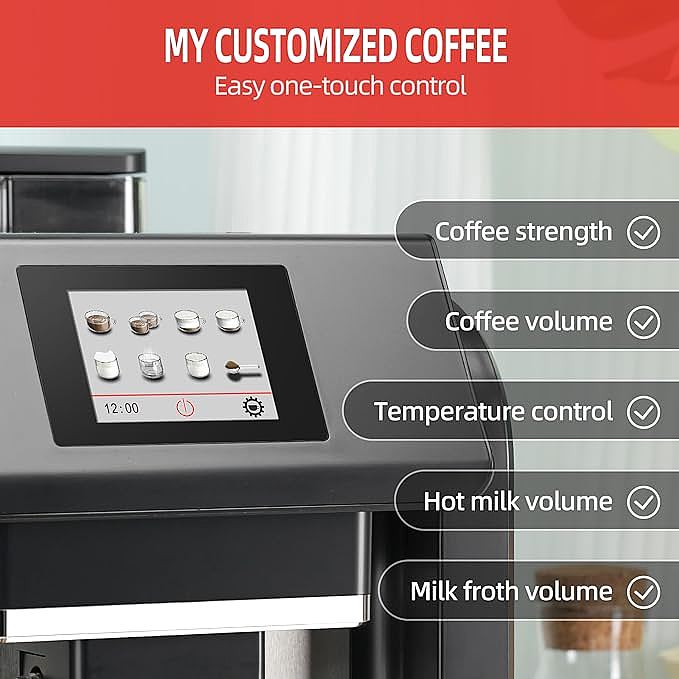
As we look toward the future, the lessons learned from these "Super-Automatic" systems will likely influence all areas of home food and beverage preparation. The emphasis on "freshness at the point of consumption," the reduction of cognitive load through intuitive touchscreens, and the commitment to long-term durability through self-cleaning cycles are now the new standard. For the modern enthusiast, the machine is more than an appliance; it is a sophisticated instrument that captures the science of flavor and delivers it, one perfect cup at a time, into our daily lives. The aroma of a truly fresh espresso is no longer a fleeting luxury; it is a democratized reality, made possible by the quiet, relentless precision of modern engineering.